The right kind of training doesn’t just burn energy after school, it teaches kids how to focus, reset, and keep going when things get hard
When parents look into youth martial arts, the first question is usually practical: Will this actually help my kid, or will it just be another activity that fades after a few weeks? In our experience, the kids who stick with training tend to change in ways that show up everywhere, not only on the mats.
That is because good training is not random movement. It is structured practice that builds habits. And habits are what kids lean on when school gets loud, friendships get complicated, or homework feels endless.
Here in Orange, MA, winters can be long and outdoor play is not always an option. A consistent indoor routine matters. Youth martial arts gives kids a place to move, learn, and be held to a standard, while still feeling supported.
Why youth martial arts works so well for school-age kids
A lot of after-school activities build skills, but youth martial arts is unusually good at linking effort to outcome. In class, kids see the cause and effect in real time: if you listen, you improve; if you rush, you lose balance; if you practice the basics, advanced skills start to feel possible.
Research backs up what we see on the floor. Large youth samples from recent years point to benefits in physical fitness and cognitive performance, including improvements in executive function, which is tied to attention, planning, and impulse control. Studies comparing martial arts students with sedentary peers and even some team-sport peers often show stronger gains in these “brain skills,” along with academic improvement in areas like math and language.
In a school setting, executive function is the difference between knowing what to do and actually doing it. Training gives kids a way to practice that gap every week.
Youth martial arts Orange MA: skills that translate past the mat
When families search for youth martial arts Orange MA, what many are really looking for is guidance. Not just techniques, but a place where expectations are clear, progress is visible, and kids are coached to handle frustration.
We teach kids to follow a process:
- Pay attention to the instruction
- Try the skill with control
- Accept correction without shutting down
- Practice again, cleaner this time
That process is basically school, just more physical. And for some kids, physical learning is the doorway that helps everything else click.
The physical benefits parents notice first
Before we ever talk about discipline or confidence, many parents simply notice their child is moving better. Martial arts training develops the kind of “whole body” coordination that kids do not always get from casual play.
Across youth programs, consistent training can improve:
- Cardiorespiratory endurance, which helps kids feel less winded and more energetic
- Strength, especially core and posture support
- Flexibility and mobility, which supports safer movement
- Balance and body awareness, which helps everything from sports to sitting still
- Reaction time and coordination, which builds athletic confidence
For kids who spend a lot of time sitting in school, those benefits matter. Bodies were not designed for long stretches of stillness, and we see a lot of restlessness that is really just unmet movement needs.
How youth martial arts supports focus and academic habits
Focus is not a personality trait. It is a skill. And like any skill, it responds to practice.
In youth martial arts, kids practice focus in short, repeatable bursts: listen to a cue, perform a combination, reset stance, breathe, go again. That is attentional training, just without the lecture. Research that looks at executive function often highlights this kind of repeated decision-making and self-monitoring as a key driver of academic carryover.
We also build routines around:
- Showing up on time
- Wearing the right gear
- Learning names for positions and movements
- Tracking goals and progress
Those routines create “automatic wins” during the week. Kids start to understand that preparation makes life easier, and that’s a lesson that helps with school mornings and homework nights.
Emotional regulation: the quiet superpower kids develop
One of the most underrated parts of youth martial arts is learning how to stay calm inside effort. Kids practice controlled intensity. That sounds simple, but it is not.
A child who can feel frustrated and still follow instructions is building emotional regulation. A child who can lose a round, breathe, and try again is building resilience. And a child who can handle nerves during sparring practice is learning to manage stress in a healthy, grounded way.
Many families are still seeing the aftereffects of disrupted routines from the past few years: attention drift, social anxiety, and lower frustration tolerance. Training gives kids a predictable place to practice coping skills. Not as a speech, but as repetition.
Confidence that comes from competence, not hype
We do not try to pump kids up with empty praise. Real confidence sticks when kids know exactly what they can do, and what they are still working on.
Martial arts does this well because progress is measurable:
- You remember a combination you could not do last month
- Your stance feels more stable
- You keep your guard up longer
- You handle a partner drill with more control and respect
That kind of confidence tends to show up in school presentations, group projects, and even simple things like raising a hand in class. Kids stop guessing who they are and start building it.
Bullying, aggression, and self-control: what training actually teaches
Parents sometimes worry that martial arts will make kids more aggressive. Quality programs tend to do the opposite, and research reviews commonly point toward reduced aggression and better self-control when training emphasizes respect, structure, and prosocial behavior.
In our youth program, we reinforce a few messages consistently:
- You do not train to start trouble, you train to end it safely
- You use awareness and distance before you ever use technique
- You protect partners in practice because control is the point
- You speak up early and ask for help from trusted adults
Kids also learn body language, boundaries, and the difference between confident posture and confrontational behavior. Those small cues can prevent a lot of problems before they start.
Why MMA-style training can be especially well-rounded for kids
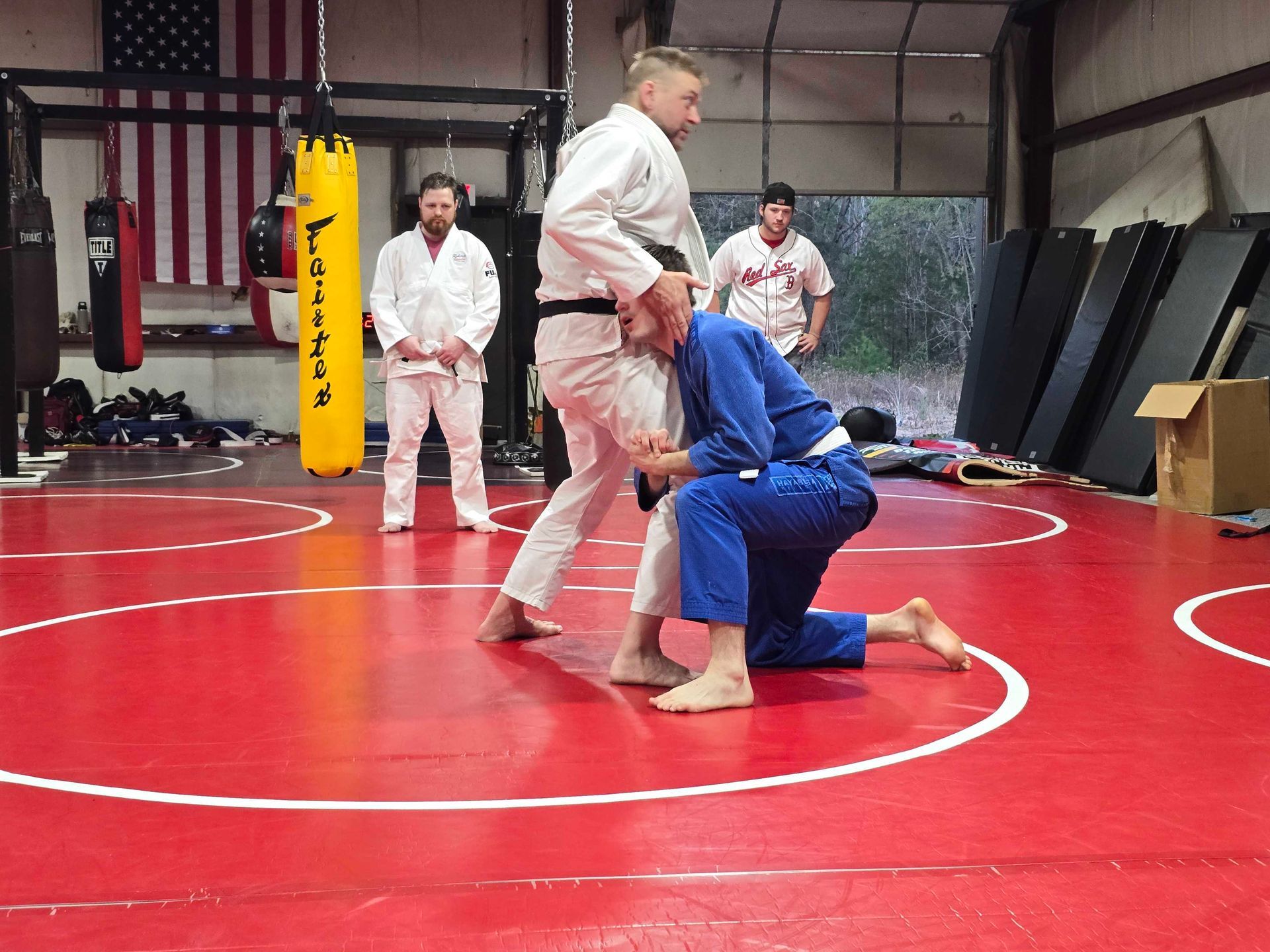
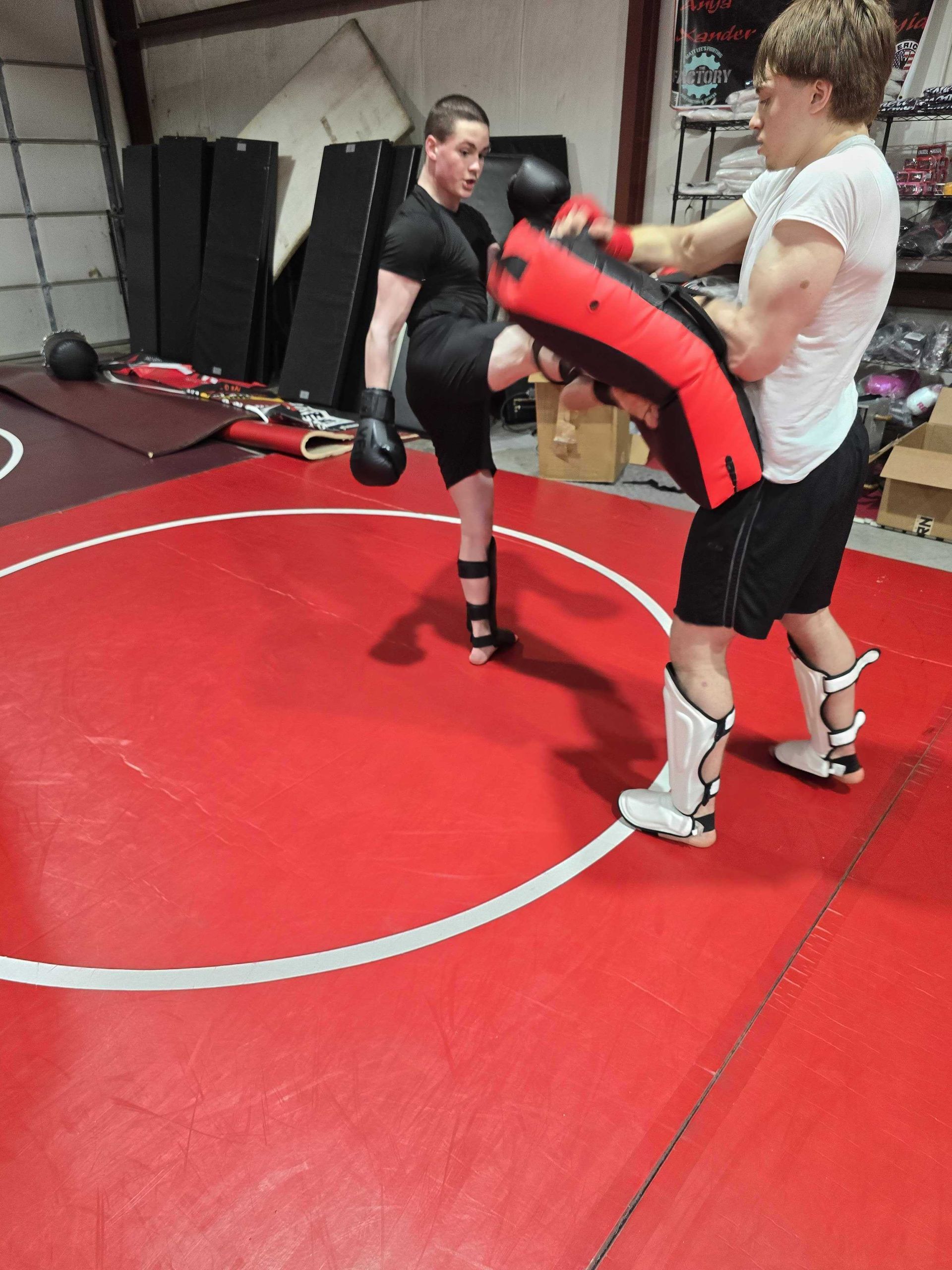
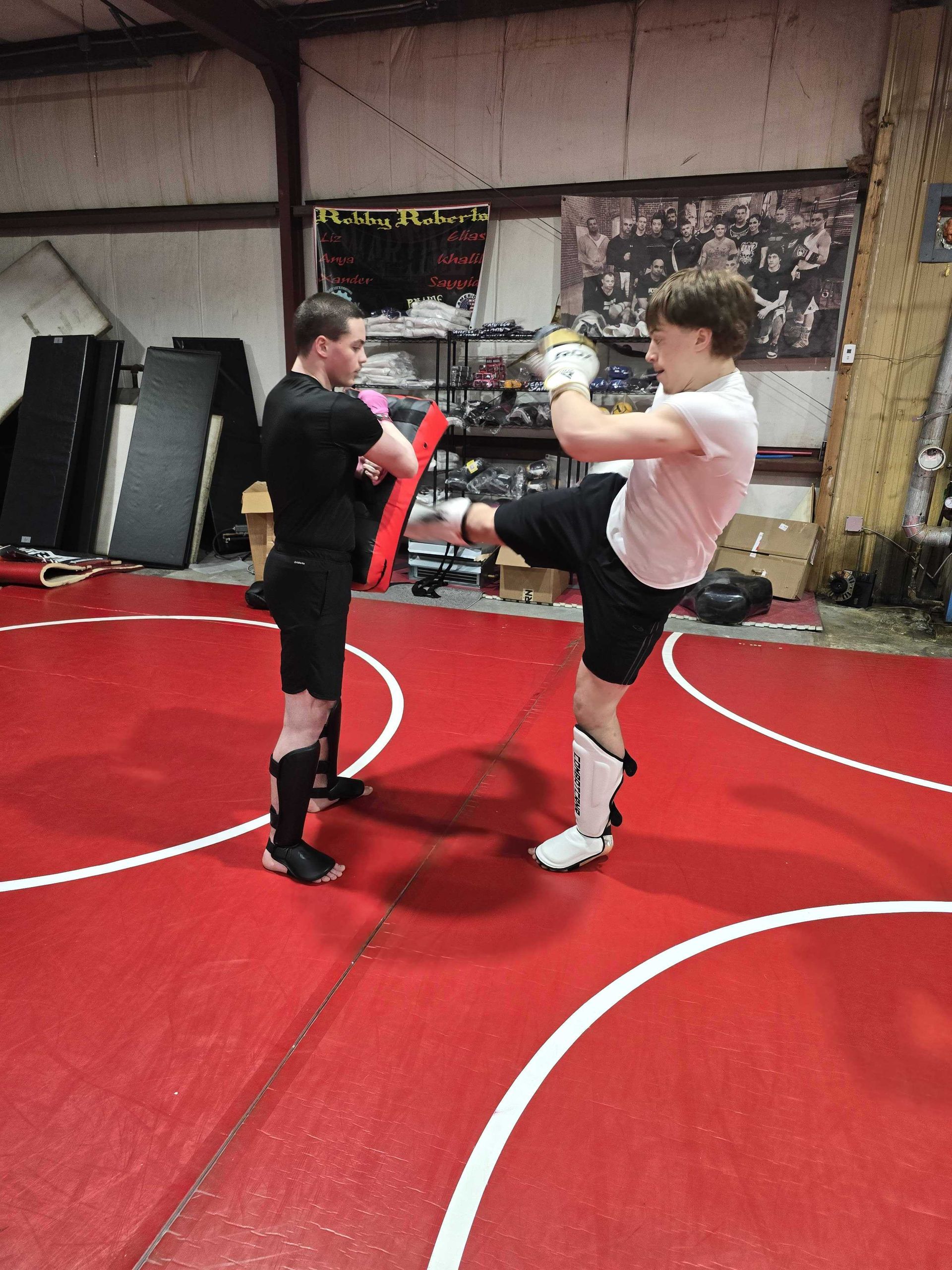
When families search mixed martial arts Orange MA, it helps to clarify what “mixed” really means in a youth setting. It is not about chaos. It is about giving kids a balanced foundation by drawing from both striking and grappling ranges, taught in an age-appropriate, safety-first way.
That blend can be powerful for learning because kids experience:
- How distance and timing work in standing movement
- How leverage and positioning work in controlled grappling
- How to stay calm when things feel unfamiliar
- How to solve problems under light pressure without panicking
We keep training structured and progressive. Kids build fundamentals first, then complexity later. That progression is a big reason the benefits carry over into school.
What a typical class experience looks like
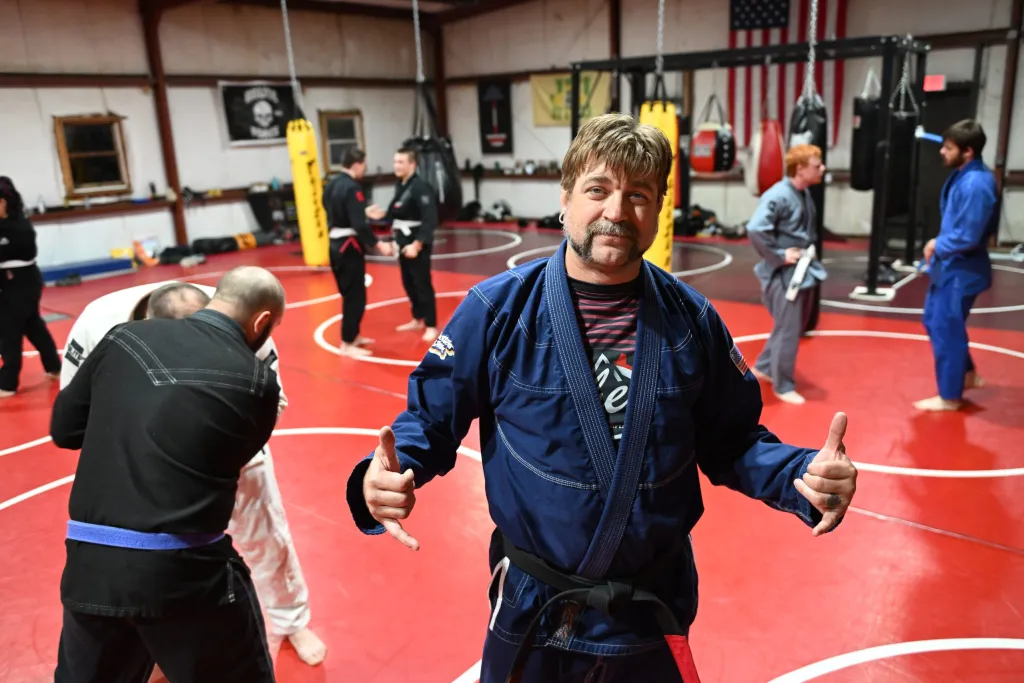
Parents often want to know what actually happens in class, because “martial arts” can mean a lot of things. Our youth classes follow a steady rhythm, which is good for kids who need structure.
Most classes include:
- A warm-up that builds coordination and safely raises heart rate
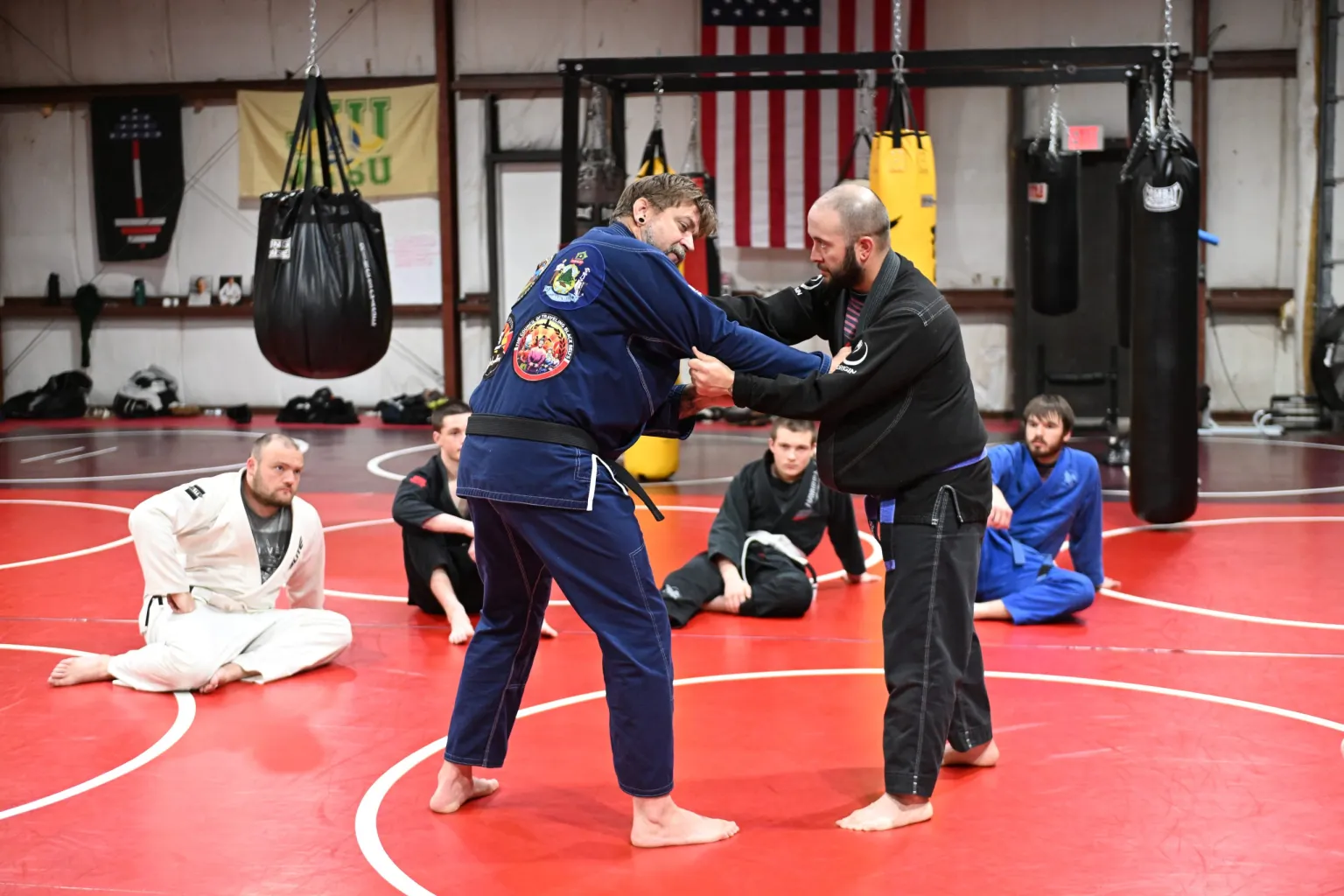
- Fundamental technique practice with clear coaching cues
- Partner drills focused on control, timing, and respect
- Optional, supervised sparring elements for appropriate ages and readiness
- A cool-down and brief recap so kids leave with one or two clear takeaways
The goal is that your child walks out feeling challenged, not overwhelmed, and proud of effort, not just outcome.
Safety and injuries: what parents should know
Any physical activity comes with risk, and martial arts is no exception. Research that tracks youth participation notes injuries like sprains and strains, and highlights higher risk in competitive environments. That is exactly why the training environment matters so much.
We prioritize safety through:
- Close supervision and clear rules for contact
- Technique-first instruction before intensity increases
- Partner matching with attention to size, maturity, and control
- A culture where tapping, pausing, and asking questions is normal
If you are considering youth martial arts, ask how instructors manage intensity, how sparring is introduced, and what safety standards are used. Those details make the difference.
Ages, readiness, and how we group kids
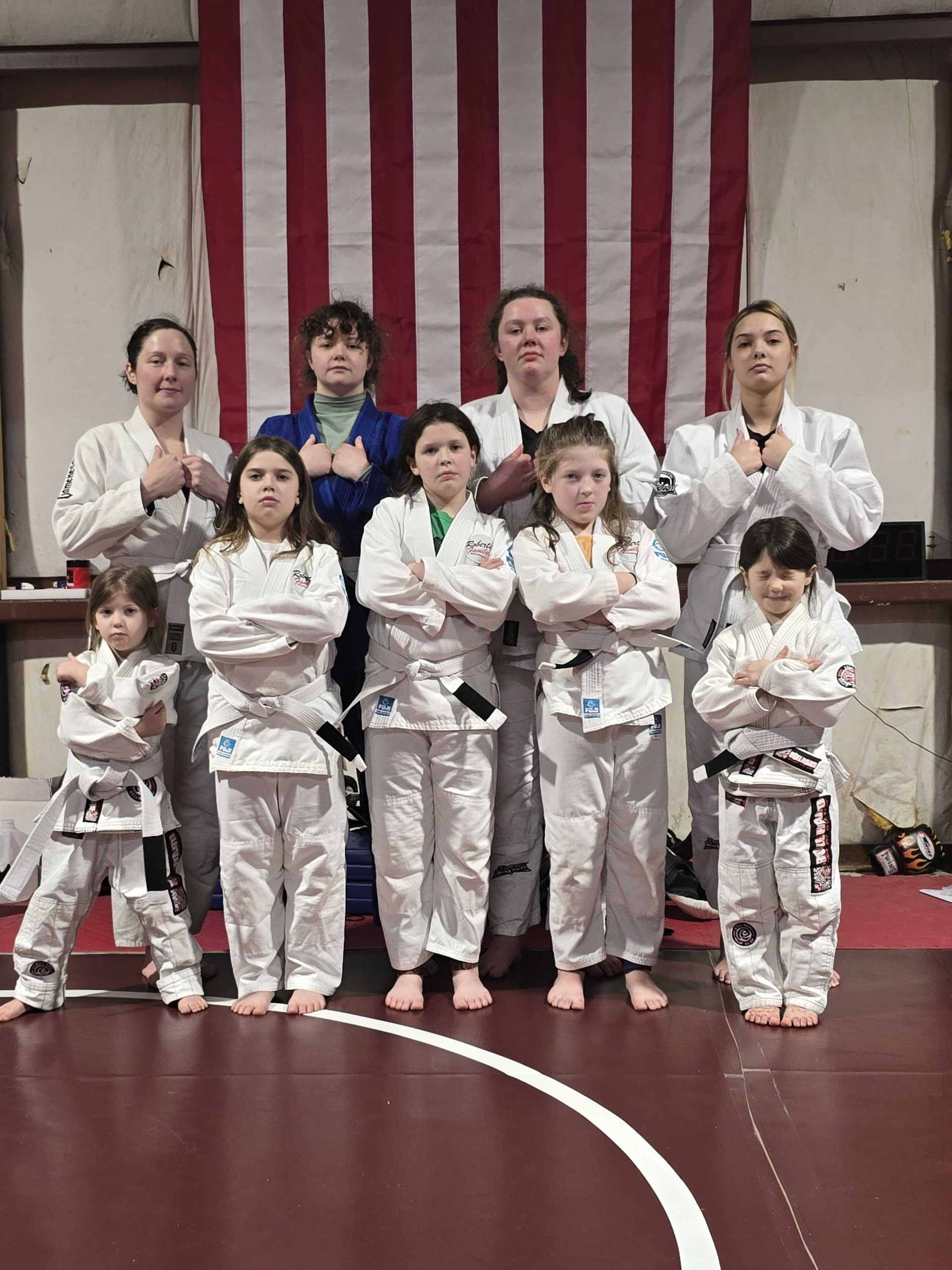
Youth martial arts works best when expectations match developmental stage. Many children can start around age 4 with simple coordination, listening skills, and basic movement patterns. As kids grow, training can add complexity and controlled challenge.
We generally look at:
- Attention span and ability to follow directions
- Comfort with personal space and partner drills
- Emotional readiness to handle correction and small failures
- Basic coordination and willingness to try
Benefits can be strong across ages 4 to 13, with some studies showing particularly notable effects in early teens on executive function and academics. The key is consistent practice, not perfection.
How to support your child’s progress at home
You do not have to be a martial artist to help your child succeed. A little structure at home goes a long way, and it keeps training from feeling like “just another thing.”
Here are a few simple supports that help:
1. Keep a predictable class routine, including a quick snack and water beforehand
2. Ask one specific question after class, like “What did you improve today?”
3. Praise effort and follow-through more than talent
4. Help your child pack gear the night before to build responsibility
5. Give space for decompression after class, because kids are often mentally tired too
These small habits reinforce the same executive-function skills that help with school.
Take the Next Step
Building strength is great, but the bigger win is watching your child learn focus, respect, and follow-through in a way that spills into school and home life. That is what we aim for every day, and it is why our youth martial arts program is designed to be structured, safe, and genuinely worth your time.
At Roberts Family Mixed Martial Arts, we keep training practical and age-appropriate, with clear coaching and steady progress so your child can grow in confidence without needing to become someone else first.
Ready to get started? Start with our free trial.
ACCESS OUR SCHEDULE
& EXCLUSIVE WEB SPECIAL
Secure your spot and get started today with our EXCLUSIVE offer!