
Youth martial arts can look like “just kicks and punches,” but what grows in a good class is focus, character, and real confidence
Parents often start looking into youth martial arts because you want your child to feel safer, burn off energy, and build confidence. That makes sense. What surprises most families is how quickly the benefits show up outside the mats: calmer mornings, better listening, more patience with siblings, and a little more grit when homework gets tough.
In Orange, MA, we also see a local reality that matters: kids do not always have a long list of structured activities to choose from, and screens can easily fill the gaps. Our goal is to give you a place where your child can move, learn, and belong, week after week, with coaching that stays positive and consistent.
Research backs up what many families notice anecdotally. Youth martial arts training is linked with improved fitness, balance, mindfulness, stress reduction, and self-control, and studies on ages 4 to 13 show stronger executive function skills like inhibition and working memory. Some research even finds higher academic performance in linguistics and math compared to peers in team sports or sedentary routines, with some of the strongest gains showing up around ages 12 to 15.
1) Brainpower Boost: Better Focus, Memory, and Follow-Through
A good class is a workout for the brain as much as the body. Every drill asks your child to listen, choose the right movement, and control timing. That is executive function in action, and it matters in school and at home.
Why it helps in the classroom
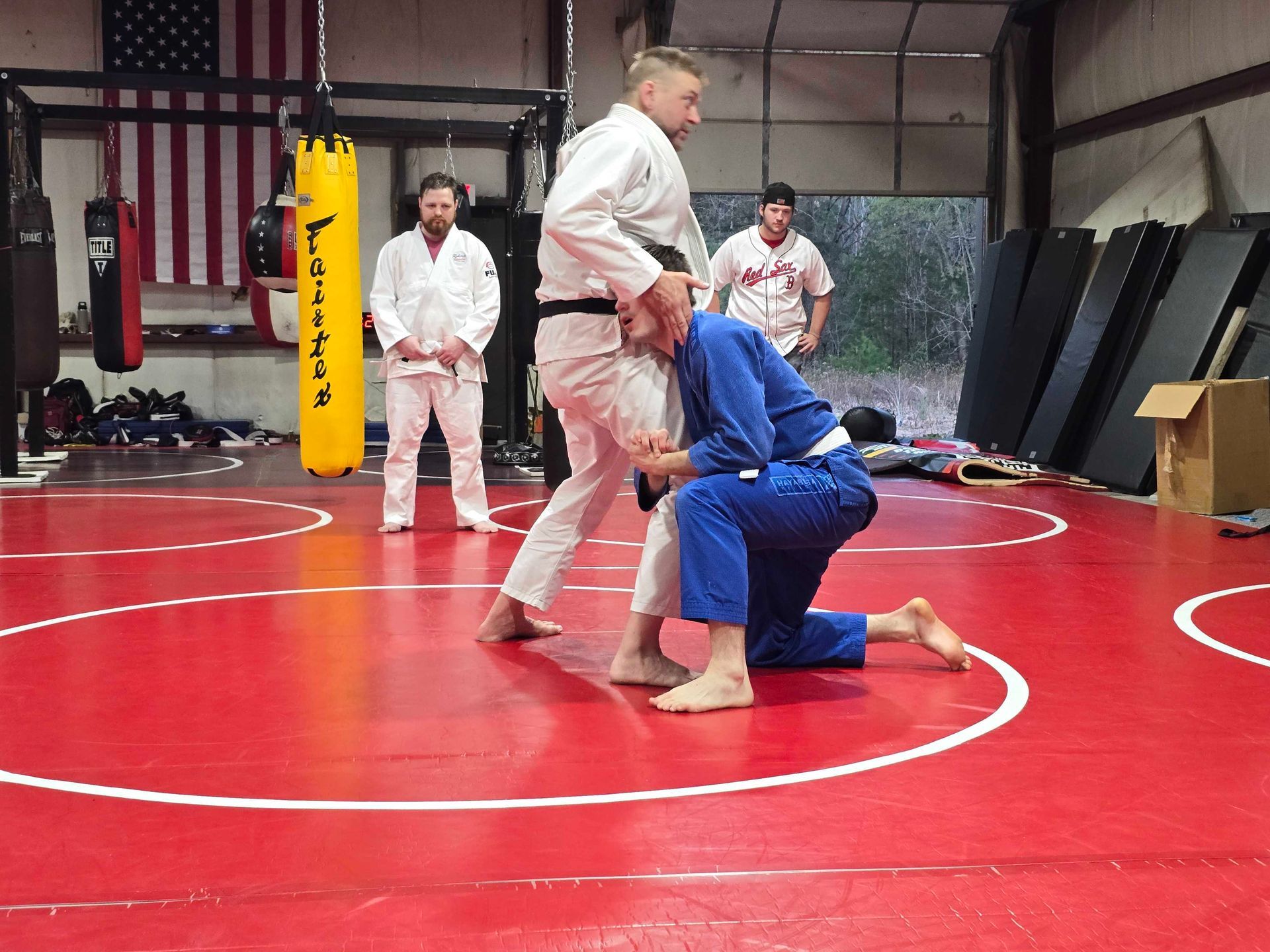
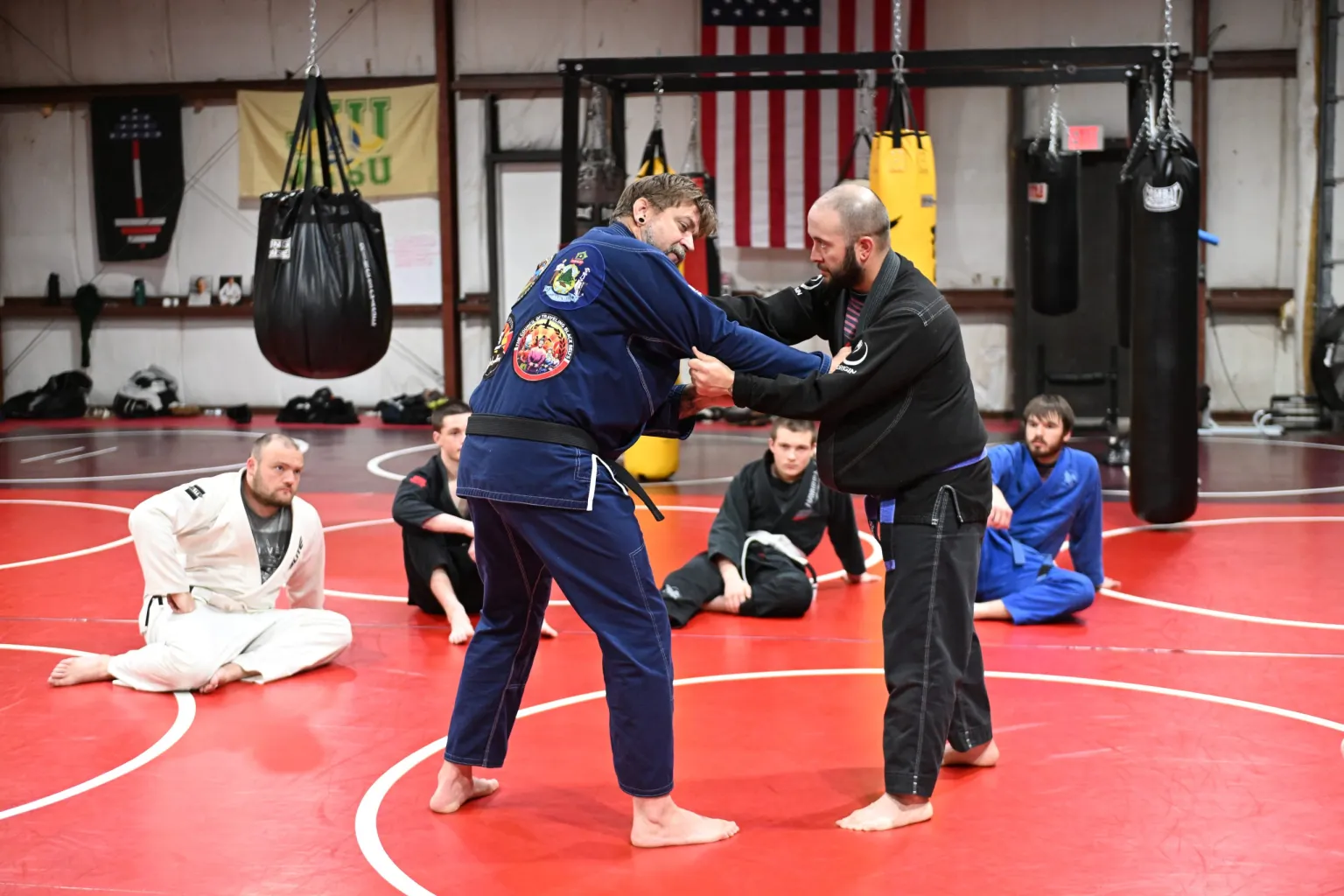
In youth martial arts, we repeat patterns with purpose. Your child practices paying attention to details like stance, distance, and balance, then adjusting quickly when we change a cue. Over time, that trains the “stop and think” muscle that supports impulse control and working memory.
We also keep instruction clear and bite-sized. When kids can succeed at small steps, they build confidence in learning itself, not just in throwing a kick. That mindset tends to travel, which is exactly what you want when a math problem gets frustrating.
2) Anti-Bullying Skills That Are Not About Fighting
Most parents do not want a “tough kid.” You want a kind kid who can stand up for yourself without turning into the problem. That is the sweet spot. Studies suggest martial arts training can reduce bullying behaviors and improve self-control, which makes sense when the culture is built on respect and discipline.
What we teach first: awareness and choices
Before we ever talk about “self-defense,” we focus on posture, voice, boundaries, and awareness. In real life, those are the tools that prevent trouble from escalating. For kids, that might look like walking away confidently, using a clear phrase, or getting an adult involved early.
In our classes, we reinforce a simple message: skill comes with responsibility. If your child learns how to move well, we also expect your child to act well. That expectation is steady, and kids pick up on it fast.
3) Stress Relief You Can See: Calmer Bodies, Sharper Minds
Post-pandemic, a lot of families still feel the after-effects: more anxiety, more big emotions, and sometimes a shorter fuse. Youth martial arts gives kids something that is strangely rare now, a structured place to breathe, move, and reset.
Movement plus mindfulness, without making it weird
We are not asking kids to sit silently for 20 minutes. Instead, we build focus into the session: controlled breathing between rounds, attention to posture, and drills that require calm precision. When kids learn to slow down physically, emotional regulation usually follows.
You may notice it at home in small ways. A child who once spiraled after a mistake starts trying again. A child who used to get “stuck” on frustration learns to take a breath and re-enter the task. Those are real life skills, not just sports skills.
4) Resilience Through Progress: The Quiet Power of Earning It
Youth martial arts is one of the few youth activities where progress is visible and earned in a very direct way. That matters for kids who need proof that effort changes outcomes.
The belt path teaches patience
Structured progression teaches perseverance, integrity, and respect. When your child works toward a milestone, your child learns that showing up counts, practicing counts, and attitude counts. It is not instant gratification, and that is the point.
We also coach kids through rough days. Some days the coordination feels off. Some days the mood is low. Training gives your child a safe place to practice not quitting, which is a skill that pays off for years.
5) Social Confidence That Feels Natural, Not Forced
Not every child loves team sports. Some kids thrive with a group, but struggle with constant pressure to “perform” socially. Youth martial arts can be a relief because the structure does the heavy lifting.
How friendships form on the mats
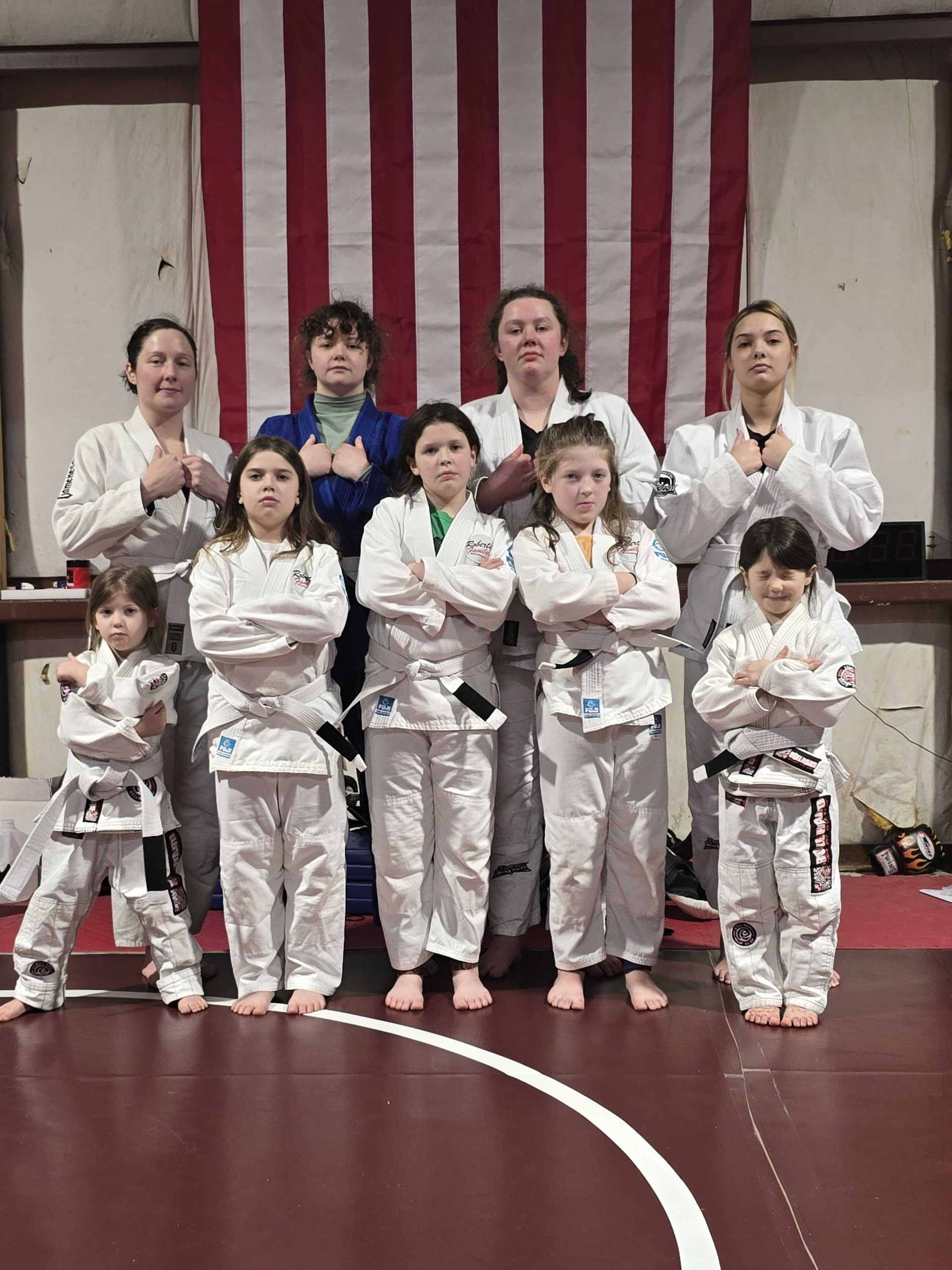
Kids partner up, switch partners, and learn to work with different personalities. That builds social flexibility in a way that is surprisingly gentle. Nobody has to be the loudest kid in the room to belong. Your child just has to participate and be respectful.
We also model how to be a good training partner: help each other, keep control, and celebrate progress. Over time, shy kids often speak up more, and energetic kids learn to listen better. Both outcomes are wins.
6) A Stronger Compass: Better Choices When Nobody Is Watching
One of the most overlooked benefits of youth martial arts is how it supports decision-making. Research connects martial arts participation with reduced aggression, lower delinquency risk, and healthier self-control, especially when mentorship and structure are consistent.
Why structure matters more than lectures
Kids do not need another speech about “making good choices.” Kids need practice making good choices in real time: following rules, handling frustration, respecting boundaries, and learning consequences in a controlled environment.
In class, the feedback loop is immediate. If your child rushes, form breaks down. If your child cannot listen, drills do not work. If your child stays calm and focuses, improvement happens. That connection between behavior and outcome is powerful, and kids feel it.
7) A Family Routine That Actually Sticks in Orange, MA
Orange is a small town, and many families balance long commutes, school demands, and not a ton of local extracurricular variety. Youth martial arts can become a routine that supports the whole household, not just your child’s calendar.
Why consistency is the real “secret”
Nationally, youth participation in martial arts has grown to millions of kids, and the trend makes sense: families want activities that build mental resilience, not only physical skills. We design our class schedule to support real life, including the realities of New England weather and busy weeks.
If you want practical guidance, here are a few ways to help your child get the most out of kids martial arts Orange MA families rely on:
• Aim for steady attendance over perfection, because one solid routine beats occasional bursts of motivation.
• Ask your child to teach you one small detail after class, like a stance cue, a breathing tip, or a respect rule.
• Keep gear simple and comfortable, and prioritize safety equipment when we recommend it.
• Celebrate effort, not only rank, because the habit of trying is what builds confidence.
• Use training language at home, like “reset your stance” or “take a breath,” when emotions run high.
Safety and Age: The Questions Every Parent Should Ask
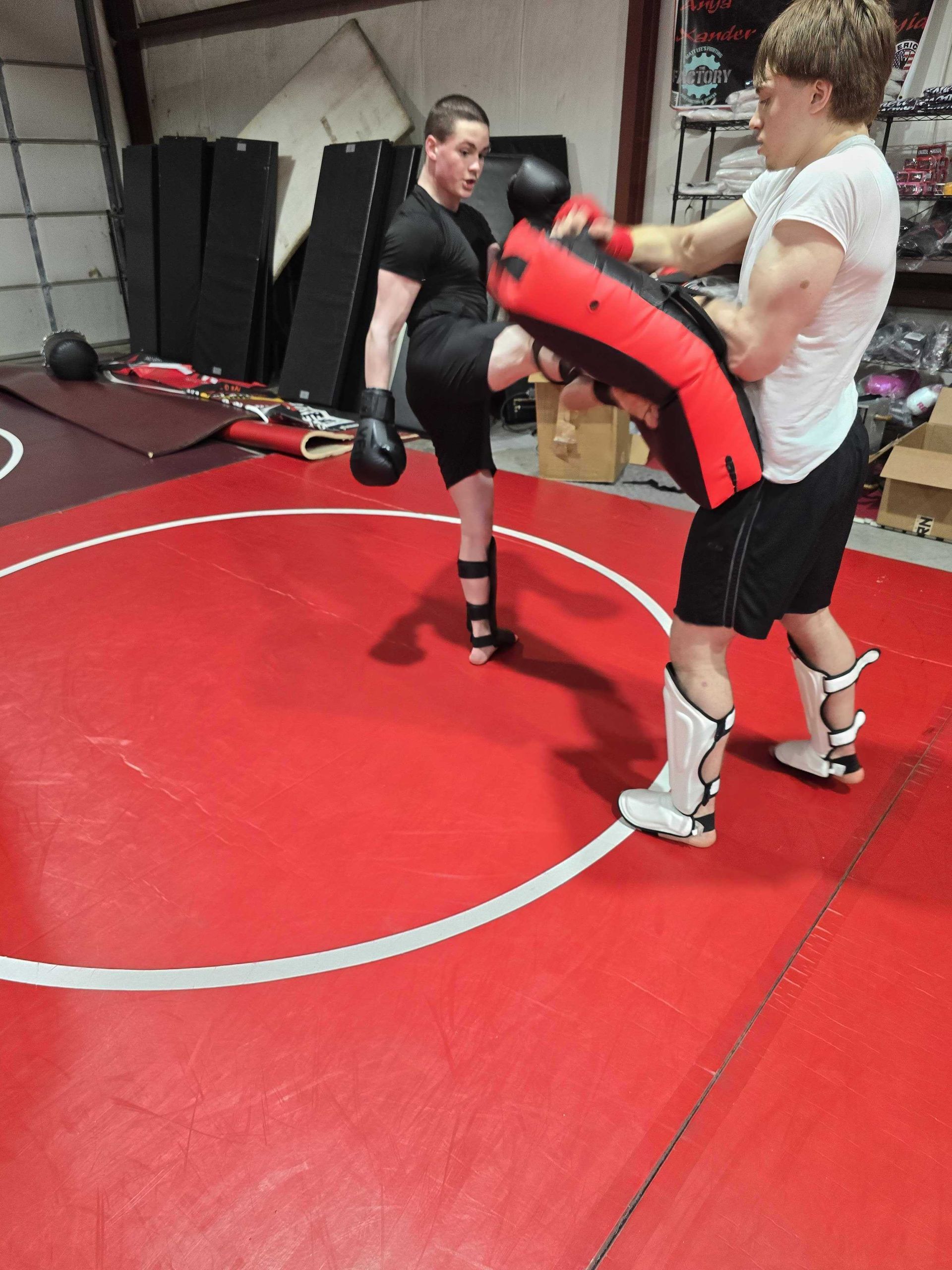
Safety is a fair concern. Martial arts can involve injuries like sprains, and competitive settings carry higher risks including concussions. Our job is to reduce risk through age-appropriate training, control, and smart progressions.
What “safe training” looks like in our program
We focus on fundamentals, supervision, and protective habits. We coach control before intensity, and we treat respect as a safety rule, not just a nice idea. When kids learn to move with control, partners stay safer and learning speeds up.
What age should kids start?
Many kids can start around age 4 with a focus on movement, listening, and fun fundamentals. As kids grow, we can add more technical skill-building and goal setting. Research suggests cognitive benefits can be especially strong in the 12 to 15 range, but the best start time is when your child is ready to participate safely and consistently.
Why Youth Martial Arts Works Best When It Feels Real
A lot of parents come in expecting flashy techniques. What keeps families training is something quieter: a room where kids feel known, supported, and challenged. The best youth martial arts experience is not about turning kids into fighters. It is about helping your child become capable, calm under pressure, and kind even when it is not easy.
In youth martial arts Orange MA families choose for growth, we blend fitness, practical self-defense concepts, and character habits into a weekly practice. And honestly, that practice can become one of the few places in your child’s week where expectations are clear and wins are earned.
Take the Next Step
If you want your child to build real confidence, better focus, and stronger social skills, we would love to help you start in a way that feels comfortable and low-pressure. Our classes are structured, upbeat, and designed so kids can improve safely while still having a good time.
At Roberts Family Mixed Martial Arts, we keep the focus on practical skill-building and character, because that is what families in Orange need most. When you are ready, we will help you choose a starting point that matches your child’s age, personality, and goals.
See if it’s right for your kids? Sign up for a
free trial.
ACCESS OUR SCHEDULE
& EXCLUSIVE WEB SPECIAL
Secure your spot and get started today with our EXCLUSIVE offer!